


Safety during dough proofing is not a minor detail
Why bakeries should use certified cloths intended for food contact
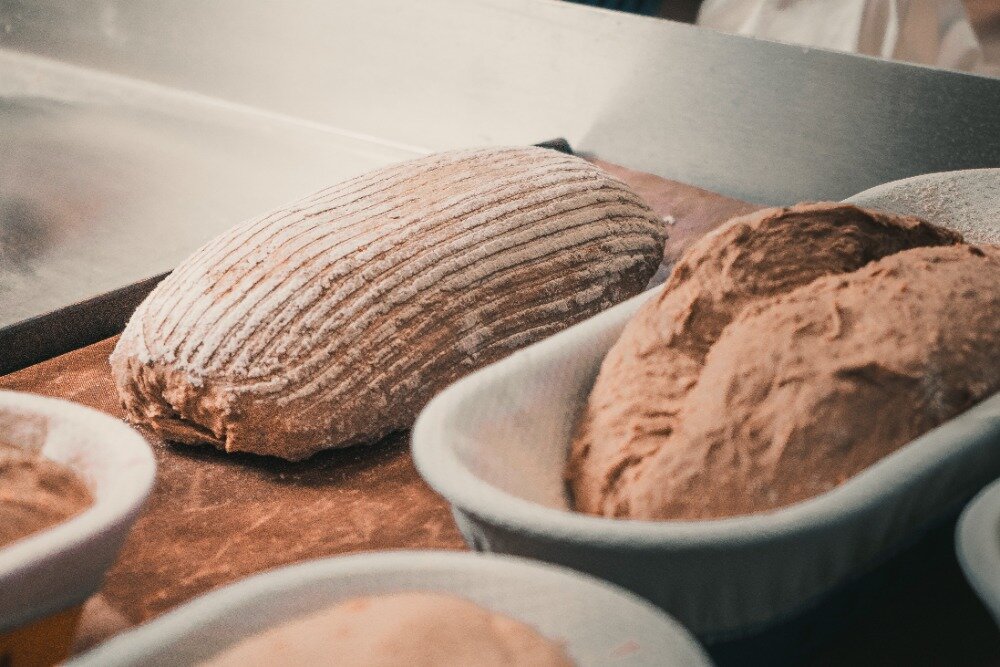
Cloths used during the proofing of bread and bakery products come into direct contact with dough, which is why they play an important role in food hygiene and safety. In practice, however, we still encounter cases where bakeries use textiles supplied by unverified sources or home sewing producers, without any evidence that the material is suitable for food contact.
Supporting local makers is valuable, but in food production it should never come at the expense of consumer safety. Unverified textile materials may contain residues of dyes, chemical finishes, or other substances that can be released into the dough during proofing. When combined with warm and humid conditions—an ideal environment for microbial growth—this leads to an increased risk of food contamination.
Another common issue is the improper use of so-called food industry caps or hairnets to cover dough. These products are designed to be worn on the head to prevent hair and impurities from falling into food during handling, and therefore they meet hygiene-related requirements for that purpose. However, they are not intended to be used as dough-covering cloths, and certainly not as materials designed for prolonged direct contact with food. Using such products instead of certified proofing cloths creates unnecessary risk and is a typical example of replacing the correct tool with an improvised solution.
Cleaning is another important but often overlooked factor. When non-certified materials are used, unsuitable detergents or cleaning agents are frequently applied—products that are not intended for food processing environments. Residues of these substances can remain in the textile and later come into direct contact with dough. Certified cloths typically come with clear maintenance and cleaning instructions, significantly reducing both chemical and microbiological contamination risks.
Certified food-contact materials are tested, safe, and suitable for repeated use in professional operations. Using them protects consumers, improves hygiene standards, and also helps bakeries avoid issues during inspections or potential consequences if non-compliance is identified.
If bakeries or producers are looking for high-quality proofing cloths with verified food safety, it is essential to work with responsible manufacturers who use certified materials and can provide evidence of their origin and properties—for example plachetky.cz. Safe bakery products start with the materials that come into contact with dough.